
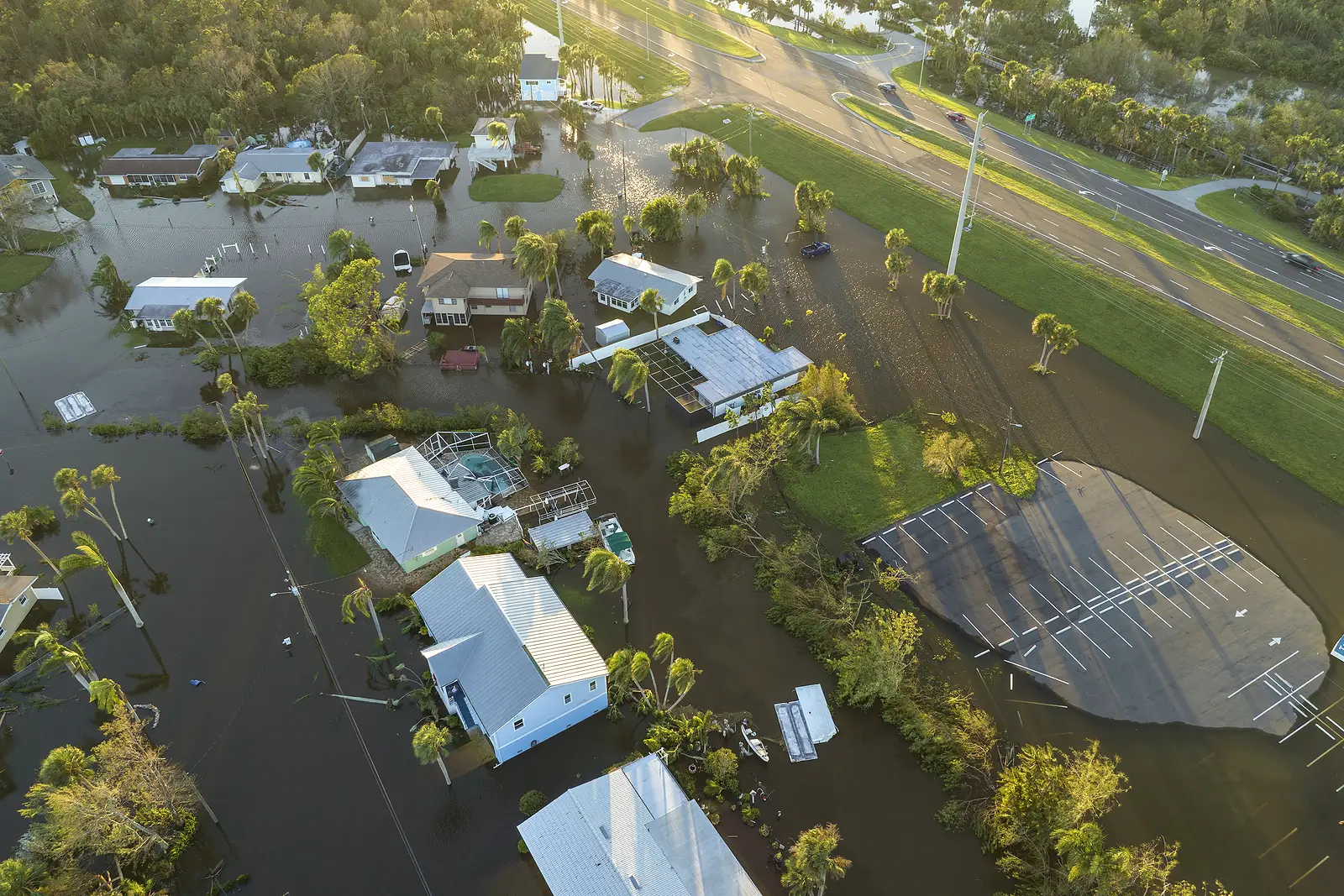
Florida’s coastlines, rivers, and low-lying areas make flooding a real and recurring concern—especially here on the Gulf Coast. For landlords and property owners in Bradenton, FL, understanding flood disclosure laws in Florida and what property owners are required to do is no longer optional. With Florida’s new law mandating flood history disclosure for homebuyers and tenants, compliance is now a legal obligation that directly impacts residential real estate transactions, residential leases, and rental agreements.
Whether you manage single-family homes, condominium and cooperative units, or residential rental properties, this guide breaks down Florida flood disclosure rules—what to know, how the new flood disclosure requirements affect landlords, and how Gulf Coast Property Management can help you stay protected and compliant.
Key Takeaways
Florida enacts new flood disclosure requirements for residential real estate transactions, including rentals and sales.
Property owners must disclose flood history using a written flood disclosure form.
Flooding includes partial or complete inundation from inland or tidal waters, storm surge, or rapid accumulation of runoff.
Failure to comply—when a landlord fails to provide disclosures—can lead to legal disputes and financial loss.
The new Florida law takes effect on October 1, 2025, giving landlords time to prepare now.
Florida’s New Flood Disclosure
The Florida Legislature passed sweeping changes to improve transparency in real estate. This new flood disclosure law requires sellers of residential real property and landlords of residential leases to inform buyers and prospective tenants if a property has been previously flooded or received federal assistance for flood damage.
The goal is simple: ensure consumers understand flood risks before signing a sales contract or rental agreement.
Flood Disclosures: What Counts as a Flood?
Under Florida law, flooding is broadly defined. It includes:
Temporary condition or general or temporary condition involving water
Sustained periods of standing water
Unusual and rapid accumulation or rapid accumulation of runoff
Overflow of inland or tidal waters
Storm surge events
Flooding may involve partial or complete inundation or complete inundation of a dwelling unit, mobile home, or structure. Even if water did not cause visible damage, past flooding still matters.
Flood Disclosure Law: Who Must Comply?
The flood disclosure law applies to:
Sellers of residential real property
Sellers of residential sales including condominium and cooperative units
Landlords of residential rental properties
Mobile home park owners leasing dwelling units
If you own or manage residential real estate transactions in Florida, compliance is mandatory.
Flood Disclosure Form: What Must Be Included?
Florida requires a separate flood disclosure form—not buried in fine print. The required flood disclosure form must state whether:
The property has previously flooded
There were prior flood insurance claims
The owner received assistance, such as federal assistance or assistance for flood damage
Flooding caused damage to the property or substantial loss
This written flood disclosure form must be provided before lease execution or closing.
Flood History and Insurance Implications
Flood history doesn’t just affect a property’s past—it directly influences insurance costs, tenant risk, and a landlord’s legal responsibilities under Florida law. Understanding how prior flooding connects to insurance coverage and disclosure requirements is essential for protecting both your investment and your tenants.
Disclose Flood History Clearly
Landlords must accurately disclose flood history, even if flooding occurred before the current owner’s period of ownership. This includes flooding during the seller’s ownership or earlier if known.
Flood Insurance Is Separate
Many tenants assume standard homeowners insurance policies or renters insurance policies cover floods—but they don’t. Floods are excluded unless there is separate flood insurance coverage.
Flood coverage typically comes through the National Flood Insurance Program (NFIP), administered by the Federal Emergency Management Agency (FEMA), or via a private insurance provider.
Flood Disclosure Requirements for Rentals
Under Florida rental flood disclosure law (HB 1015) explained, landlords must:
Provide flood disclosures to prospective tenants
Use a separate flood disclosure document
Clarify that separate flood insurance is needed to cover flood damage to personal property
If a tenant suffers substantial loss due to flooding and the landlord fails to disclose, the tenant may have legal remedies, including disputes over prepaid rent.
Florida Statutes and Legal Consequences
The new requirements are codified under updated Florida statutes. Under Florida law, when a landlord fails to provide flood disclosures:
Tenants may claim they were misled
Sellers may face contract disputes
Courts may consider non-disclosure material to the transaction
Compliance protects both property owners and consumers.
Flood Zones, Risk, and Responsibility
Being outside a FEMA-designated flood zone does not eliminate disclosure obligations. Flooding can occur from tidal waters, inland waterways, or heavy rain events causing standing water and runoff.
Landlords should also encourage tenants to speak with an insurance agent about purchasing separate flood insurance, especially in Bradenton and Manatee County where flood risks are real.
New Flood Disclosure Requirements Timeline
New law effective date: October 1, 2025
Applies to residential leases, residential sales, and other residential real estate transactions
Preparation now avoids rushed compliance later
FAQs
1. Do I need to disclose flooding if it was minor or temporary?
Yes. Even a temporary condition, rapid accumulation, or sustained periods of standing water must be disclosed if it qualifies as flooding under Florida law.
2. Does renters' insurance cover flood damage?
Usually not. Renters' insurance policies do not cover flood damage unless tenants purchase separate flood insurance or flood coverage through NFIP or a private insurance provider.
3. What happens if a landlord fails to provide the flood disclosure form?
If a landlord fails, tenants may claim damages, terminate leases, or seek relief if they suffer substantial loss due to undisclosed flood risks.
Protect Your Investment and Your Tenants
The new Florida law on flood disclosure isn’t just about paperwork—it’s about transparency, trust, and risk management. For landlords in Bradenton, understanding flood disclosure laws in Florida is essential to protecting your investment and your reputation.
At Gulf Coast Property Management, we help property owners navigate complex compliance issues, from flood disclosure forms to lease documentation and risk mitigation. If you own residential rental properties on Florida’s Gulf Coast, we’re here to help you stay compliant, profitable, and stress-free.
Contact us today and let our local experts handle the details—so you don’t have to.
.png)